
Introduction: A New Era of Musical Collaboration
In the vibrant world of music today, collaboration has taken on a whole new meaning. As we progress through 2026, artists from various genres are increasingly coming together to create innovative sounds that defy traditional boundaries. This article explores how modern technology, shifting consumer expectations, and a growing preference for synergy are reshaping the way musicians collaborate.
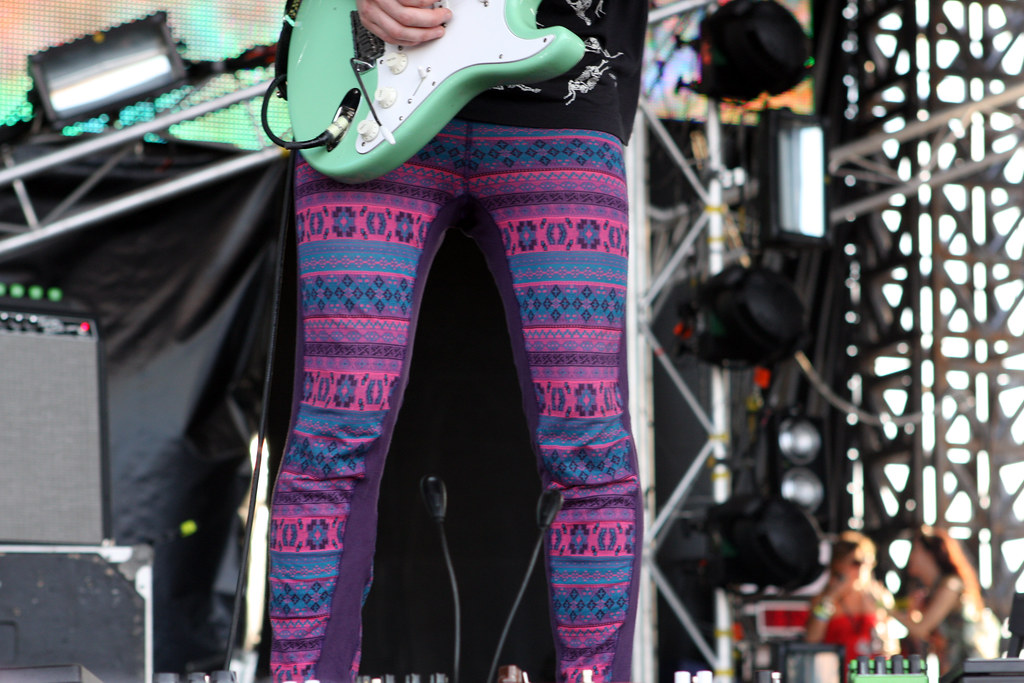
The Rise of Cross-Genre Collaborations
In recent years, we have witnessed an explosion of cross-genre collaborations. Artists who once remained firmly in their music silos are now blending styles to reach wider audiences. Here are some notable trends:
- Genre Fusion: Musicians are combining elements from hip-hop, electronic, rock, and classical to create unique soundscapes. This genre-blending attracts diverse fans.
- Global Collaborations: Artists from different cultural backgrounds now work together, enhancing the richness of their music while introducing global sounds to local audiences.
- Producer-Artist Collaborations: Many artists are teaming up with producers to explore uncharted territories in their music creation process, leading to groundbreaking results.
Case Studies of Notable Collaborations
Look at some exciting examples from 2026:
- “Rhythms of the World”: An album featuring artists from various continents, illustrating the potential of global musical collaboration.
- Eric’s Eclectic Ensemble: A project embracing multiple genres that blurs the lines between mainstream and niche music.
- AI Collaborations: Musicians joining forces with AI to create tracks that push human creativity to new heights.
The Role of Technology in Collaboration
Technology has transformed the collaborative process in music. With advancements in communication and production tools, artists can easily connect and create from anywhere in the world. Key tools include:
- Cloud-Based DAWs: Software like Ableton Live and Logic Pro allow artists to collaborate in real-time regardless of their location.
- Online Platforms: Websites and apps foster connections between musicians looking for collaborations, such as Splice and SoundBetter.
- Virtual Studios: The emergence of VR and AR technologies is creating immersive environments where artists can collaborate as if they are in the same room.
The Impact of Streaming Services
The music streaming revolution has changed how artists collaborate. With platforms like Spotify, Apple Music, and SoundCloud facilitating immediate access to audiences, collaborations can be strategically released for maximum impact. Factors influencing this include:
- Playlists: Collaborative tracks can quickly gain traction on curated playlists, driving engagement and boosting visibility for all artists involved.
- Data-Driven Decisions: Artists can analyze listener data to tailor collaborations that will resonate with their fan bases.
- Relationship Building: Streaming allows artists to maintain relationships with fellow collaborators, leading to ongoing creative partnerships.
Challenges in Collaborative Music Creation
Despite the many benefits, collaboration in music does come with its own set of challenges:
- Creative Differences: Varying artistic visions can make collaboration difficult, requiring open communication and compromise.
- Ownership Issues: Navigating copyright and ownership rights can complicate the distribution of collaborative works.
- Balancing Fame: In high-profile collaborations, managing egos and ensuring equal recognition for all parties can be challenging.
The Future of Music Collaboration
As we look to the future, collaboration will continue to evolve alongside technological advancements and changing listener preferences. Here are some predictions:
- Increased Interactivity: Fans may soon interact with artists during the collaborative process through platforms enabling audience participation.
- More Diverse Partnerships: We can expect to see artists partnering with professionals from different fields, such as film and fashion, creating a multi-sensory experience.
- Decentralized Collaborations: Blockchain technology may facilitate fair compensation and ownership for all parties involved in a collaboration.
Conclusion: The Harmonious Future of Collaboration
As we embrace 2026, the landscape of music collaboration is more exciting than ever. The fusion of genres, technology, and global connectivity is fostering a creative environment that encourages artists to work together like never before. This new era promises to deliver groundbreaking music that resonates across cultures, ultimately enriching the listening experience for all.