
The Interconnection of Music and Visual Arts
As we enter the latter part of 2026, a fascinating trend is emerging within the creative industries: the deepening relationship between music and visual arts. Artists and musicians are continually pushing boundaries, creating immersive experiences that blend auditory and visual stimuli. This article delves into how these two art forms are converging, enhancing our appreciation of creativity and culture.
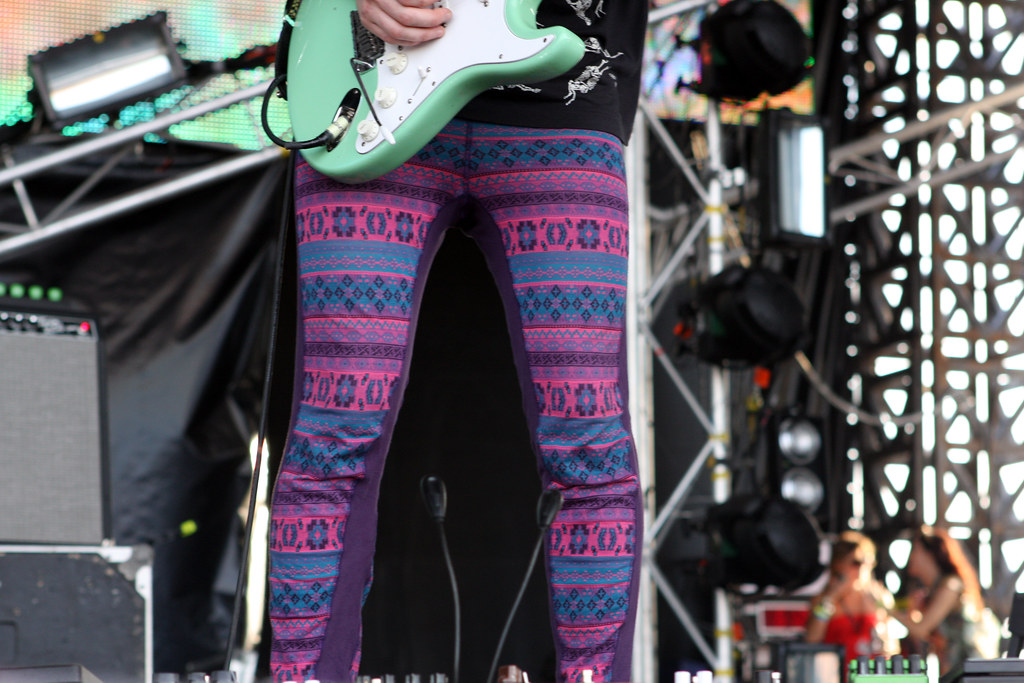
The Evolution of Multimedia Performances
Multimedia performances have been around for decades, but recent advancements in technology have transformed these experiences into something truly extraordinary. With the rise of virtual reality (VR) and augmented reality (AR), audiences can now engage with live performances in ways that were previously unimaginable.
- VR Concerts: Artists are using VR platforms to create immersive environments where fans can feel as if they are part of the performance, regardless of their physical location.
- AR Visualizations: During live shows, AR technology allows for stunning visual effects that complement the music, enhancing emotional connectivity with the audience.
- Interactive Installations: Exhibitions that incorporate sound and light engage viewers, inviting them to interact with the artwork and the musical elements in real-time.
Collaborative Projects Between Musicians and Visual Artists
Collaboration between musicians and visual artists has become more prominent in 2026, as both parties find creative synergy that enhances their work. These partnerships can result in groundbreaking projects that redefine both music and visual arts. Here are some notable examples:
- Music Videos as Art: Many contemporary music videos now resemble short films, showcasing artistic direction that rivals gallery exhibitions.
- Artistic Album Covers: Collaborations with visual artists for album artwork elevate the product from mere music to a visual experience.
- Live Art Creation: Some performances feature live painting or digital art generation in sync with the music, creating a dynamic and evolving visual narrative.
The Role of Technology in Enhancing Artistic Expression
Today’s technological landscape has given artists new tools to express their creativity. For musicians and visual artists alike, the fusion of sound and sight is more accessible than ever. Here are some technological advancements shaping this synergy: Also read: ajo89 for more insights.
- Generative Art: This involves algorithms that create visual art based on musical compositions, allowing for a unique interplay between sound and imagery.
- 3D Mapping: This technology enables artists to project visuals onto buildings or natural landscapes, turning them into dynamic canvases synchronized with music.
- Artificial Intelligence: AI is being utilized to generate music videos that adapt to the rhythm and mood of the song, offering a personalized viewing experience.
Art and Music Festivals: A New Wave of Experiences
Festivals in 2026 are evolving beyond mere displays of musical talent; they are becoming holistic experiences that fuse music, art, and technology. Here’s how these festivals are changing:
- Immersive Experiences: Art installations and performances are integrated into the festival experience, engaging all senses.
- Workshops and Collaborations: Many festivals now offer workshops where attendees can collaborate with artists, creating their own visual representations of music.
- Virtual and Hybrid Events: Festivals are leveraging technology to allow virtual attendance, making them accessible to a global audience while maintaining the interactive elements.
The Benefits of This Synergy
The integration of music and visual arts offers numerous benefits for creators and audiences alike. Some of these advantages include:
- Enhanced Engagement: By appealing to multiple senses, artists can create a deeper emotional connection with their audience.
- Broader Reach: Collaborations can attract diverse audiences, drawing in fans of both music and visual arts.
- Innovative Creativity: The intersection of different art forms can inspire new ideas and artistic movement, leading to fresh expressions of culture.
Conclusion: A Vibrant Future Ahead
As we move further into 2026, the synergy between music and visual arts is set to flourish. The innovations in technology and collaborative efforts will continue to enrich our cultural landscape, providing audiences with transformative experiences. Whether through a live concert, a multimedia art installation, or virtual interactions, the union of these art forms promises to push creative boundaries and redefine how we experience the world around us.