
The Intersection of Gaming and Music
As we step into 2026, the fusion of video games and music has reached a thrilling crescendo. This phenomenon is not merely about background tunes or catchy themes; it reflects a complex interplay that influences artists, composers, and listeners alike. With the gaming industry generating billions, its impact on the music scene is profound and undeniably exciting.
The Rise of Video Game Soundtracks
Video game soundtracks are no longer just incidental music; they’re now celebrated artistic works. The past few years have seen a marked increase in the release of original scores from popular games. Albums from franchises like The Legend of Zelda, Final Fantasy, and Cyberpunk 2077 have made waves, transcending their gaming roots to garner critical acclaim and commercial success. This trend is indicative of a broader acceptance and appreciation for video game music in the mainstream cultural landscape.
Collaborations Between Game Developers and Musicians
Today’s game developers are increasingly recognizing the value of collaboration with established artists. This partnership allows for more dynamic soundscapes, enhancing the immersive experience of gaming. For instance, artists like Grimes and Deadmau5 have contributed their unique styles to various games, creating a blend that enriches both the auditory and visual journeys of players.
The Impact of Streaming Services on Game Soundtracks
As streaming platforms continue to dominate the way we consume music, video game soundtracks are also finding their place in playlists. Services like Spotify and Apple Music have dedicated sections for game music, allowing fans to listen to their favorite tracks outside the gaming environment. This accessibility not only elevates the profile of video game music but also fosters new fanbases, as gamers introduce their loved soundtracks to non-gaming audiences.
Innovative Live Performances
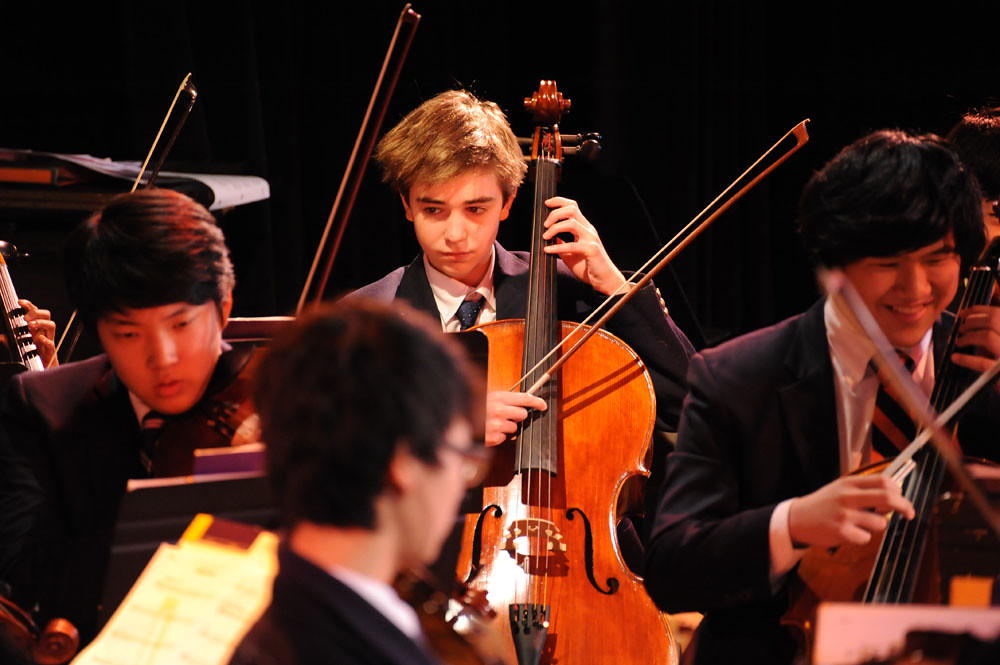
Live orchestral performances of video game music have become increasingly popular, captivating audiences around the globe. Events like Video Games Live showcase the dynamic range of gaming soundtracks performed by live orchestras, allowing fans to experience their favorite tunes in a whole new context. In 2026, these events have embraced technology, integrating visuals from games with the live music, creating an unforgettable multi-sensory experience.
Emerging Genres and Trends
The blending of gaming and music has given rise to new genres. Genres such as Chiptune and 8-bit music have surged in popularity, inspired by the sounds of retro video games. Similarly, the incorporation of electronic and synth elements in modern gaming music reflects broader musical trends, bridging the gap between gaming and popular music.
The Community Aspect of Gaming Music
Music in gaming also fosters community. Platforms like Twitch allow gamers to stream their gameplay, often accompanied by soundtracks that resonate with viewers. This interactive experience not only engages players but also invites discussions about music preferences and influences, further solidifying the bond between music and gaming culture.
The Future of Music in Gaming
As technology advances, we can expect even more integration between music and gaming. Innovations in virtual reality (VR) and augmented reality (AR) are on the horizon, promising immersive experiences that will further redefine how we engage with music in games. Imagine a VR world where players can walk through a vibrant landscape filled with music that adapts to their actions—this is the future that awaits us.
Conclusion
The relationship between music and gaming is evolving rapidly, shaping the way we create, consume, and appreciate these art forms. As we progress through 2026, expect to see even more collaborations, innovative soundscapes, and a deeper integration that continues to blur the lines between the two industries. The future is bright for those who appreciate the artistry of both music and gaming, and as fans, we are invited along for the exciting ride.