
Introduction
As we navigate through 2026, the music industry continues to evolve at a breathtaking pace, largely driven by the advancements in artificial intelligence (AI). Artists and producers alike are embracing AI tools that not only enhance creativity but also reshape the very essence of music production. This article explores the multifaceted impact of AI on music creation, providing insights into the innovative practices emerging in the industry.
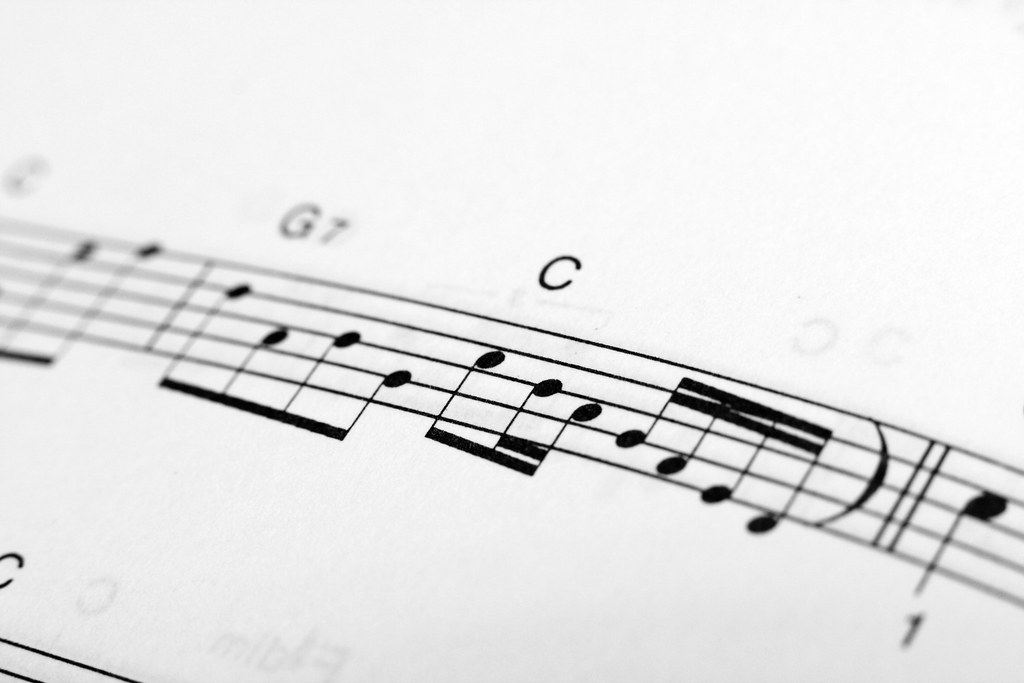
The Rise of AI-Driven Composition
AI is not just a tool for automating tasks; it has become a collaborator in the creative process. Numerous platforms allow artists to co-create music alongside AI algorithms that analyze existing songs to produce new compositions.
How AI Composition Tools Work
These tools utilize machine learning algorithms to analyze patterns in music. They can generate melodies, harmonies, and even entire tracks based on user inputs. Some notable AI composition tools include:
- AIVA: An AI composer known for creating orchestral music.
- Amper Music: A cloud-based tool enabling users to create and customize music tracks.
- JukeBox: An AI developed by OpenAI that generates music across various genres.
Changing the Role of Producers
With AI systems handling some of the more complex aspects of music creation, the role of music producers is also changing. Producers are now focusing more on shaping artistic vision rather than getting bogged down in technical details.
Embracing Collaboration
The collaboration between human creativity and AI tools allows producers to experiment with uncharted sonic territories. They are increasingly harnessing AI for:
- Sound Design: Using AI-generated sounds to create unique audio experiences.
- Mixing and Mastering: Employing AI for precise adjustments in audio levels and effects.
AI in Music Analysis and Marketing
AI is not only revolutionizing music creation but also transforming how music is marketed and analyzed.
Personalized Marketing Strategies
With sophisticated algorithms, music streaming platforms can analyze listener habits and preferences to recommend songs. This personalization drives engagement and increases user satisfaction, leading to:
- Targeted Advertising: Artists can promote their music to specific demographics based on listening behavior.
- Enhanced Fan Engagement: Real-time insights allow for proactive interaction with fans.
The Ethical Considerations of AI in Music
As AI becomes more integrated into music creation, ethical questions arise about ownership, creativity, and originality.
Ownership of AI-Generated Music
One of the biggest debates is around who owns a piece of music created by AI. Is it the artist who provided the input, the developer of the AI, or the AI itself? Legal frameworks are still catching up with technology, leading to gray areas in copyright and intellectual property rights.
The Future of AI in Music
The potential for AI in music is vast. As technology improves, we can expect AI to enable unprecedented forms of artistic expression and innovation.
Emerging Trends to Watch
- Interactive Music: AI could facilitate real-time collaboration between artists and fans, allowing listeners to influence performances.
- Personalized Composition: Future AI systems might create bespoke tracks for individuals based on their emotional states or preferences.
Conclusion
In 2026, the integration of AI in music creation is redefining the boundaries of artistic expression. While embracing these technologies offers exciting opportunities, it is crucial to navigate the accompanying ethical challenges thoughtfully. As we move forward, the collaboration between human creativity and artificial intelligence will undoubtedly shape the sound of the future.