
The Rhythmic Revolution: Embracing New Music Education Trends in 2026
As we dive into 2026, the landscape of music education is undergoing a profound transformation. With advancements in technology and a renewed focus on hands-on learning, aspiring musicians are exploring innovative ways to develop their skills. This article delves into the latest trends shaping music education, providing insights into what students and educators can expect in this evolving field.
The Shift to Hybrid Learning Models
One of the most significant trends in music education is the shift toward hybrid learning models. This approach combines traditional in-person instruction with online resources, allowing learners to benefit from the best of both worlds.
- Flexibility: Students can choose when and where they practice, accommodating their busy schedules.
- Access to Resources: Online platforms provide a treasure trove of instructional videos, sheet music, and interactive tutorials.
- Global Collaboration: With technology bridging distances, students can connect with peers and instructors from around the world.
Emphasis on Collaborative Learning
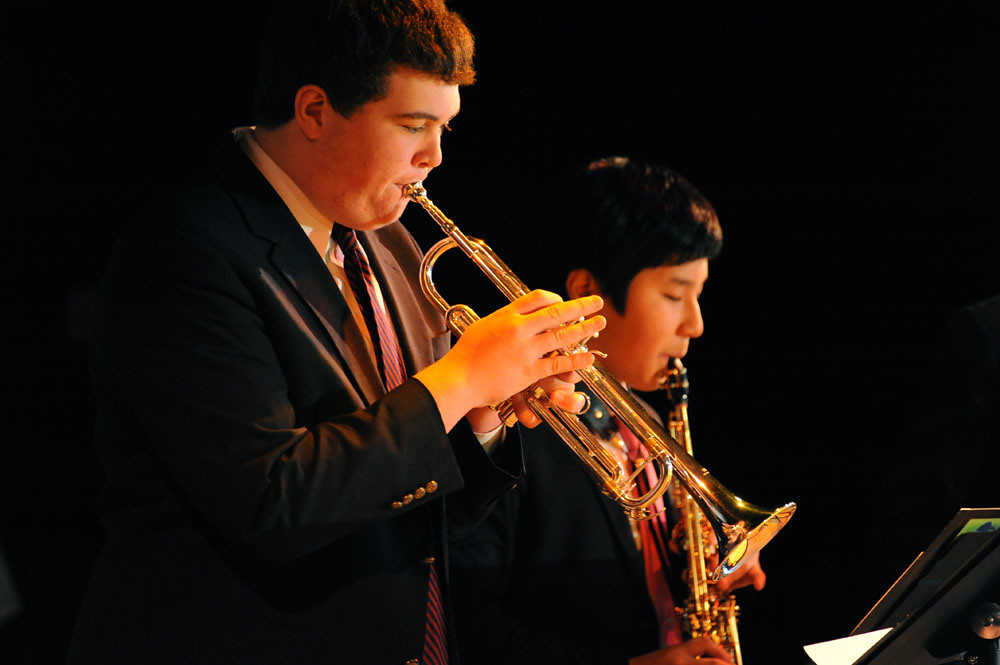
Collaboration is a powerful tool in music education. In 2026, many programs are emphasizing group projects and ensemble play, encouraging students to work together and learn from each other.
- Peer Feedback: Students are learning to critique and support one another, fostering a community of growth.
- Real-World Experience: Group performances and collaborations simulate real-world music scenarios, enhancing preparedness.
- Diverse Influences: Collaborating with other musicians exposes students to varied styles and genres, enriching their musical palette.
Incorporating Technology in Music Creation
The integration of technology into music education is not new, but 2026 marks a new high. Tools and software that aid music composition, production, and arrangement are becoming staples in the classroom.
- Digital Audio Workstations (DAWs): Students are learning to create music using industry-standard DAWs, equipping them with essential skills.
- Mobile Apps: Mobile technology allows for music creation on-the-go, making practice and composition more accessible.
- AI Tools: Artificial intelligence is now being utilized to help students analyze music and generate ideas, blending creativity with technology.
A Focus on Mental Health and Music Education
In recent years, the conversation around mental health has gained traction, and music education is no exception. In 2026, programs are increasingly recognizing the therapeutic benefits of music, integrating mental health support into curricula.
- Mindfulness Practices: Music classes are incorporating mindfulness techniques to help students manage stress and anxiety.
- Emotional Expression: Students are encouraged to explore their feelings through music, cultivating emotional intelligence.
- Community Support: Schools are fostering supportive environments where students feel safe to express themselves musically and emotionally.
Cross-Disciplinary Approaches to Music Education
Education is increasingly recognizing the value of interdisciplinary learning, and music is no exception. By integrating subjects like history, science, and even mathematics into music lessons, educators are providing a well-rounded approach to learning.
- Historical Context: Understanding the historical background of various music genres enhances appreciation and contextual knowledge.
- Scientific Principles: Teaching music through the lens of acoustics helps students grasp the technical aspects of sound creation.
- Mathematical Structures: Music theory often involves mathematical concepts, making it an ideal subject for cross-disciplinary exploration.
The Role of Community in Music Education
Finally, community engagement is taking center stage in music education. Schools and instructors are increasingly seeking to create partnerships with local musicians, organizations, and cultural institutions.
- Workshops and Masterclasses: Local artists provide students with hands-on learning experiences, enhancing their understanding of the profession.
- Community Performances: Students are given opportunities to perform in public settings, building confidence and nurturing a love for performing.
- Networking Opportunities: Engagement with the local music scene opens doors for students, providing them with valuable connections in the industry.
Conclusion
As we look ahead in 2026, it’s clear that the future of music education is bright and vibrant. By embracing hybrid learning models, promoting collaboration, utilizing technology, focusing on mental health, adopting cross-disciplinary methods, and fostering community engagement, music education is evolving to meet the needs of modern learners. Whether you’re an aspiring musician or an educator, now is the perfect time to embrace these trends and make the most of the rich opportunities available in the world of music today.