
Understanding the Power of Music in Shaping Identity
In 2026, music has transcended its primary role as entertainment to become a powerful medium for personal and collective identity. As we navigate through a world that feels increasingly fragmented, music serves as a unifying force, helping individuals connect with their cultural roots, personal experiences, and social movements.
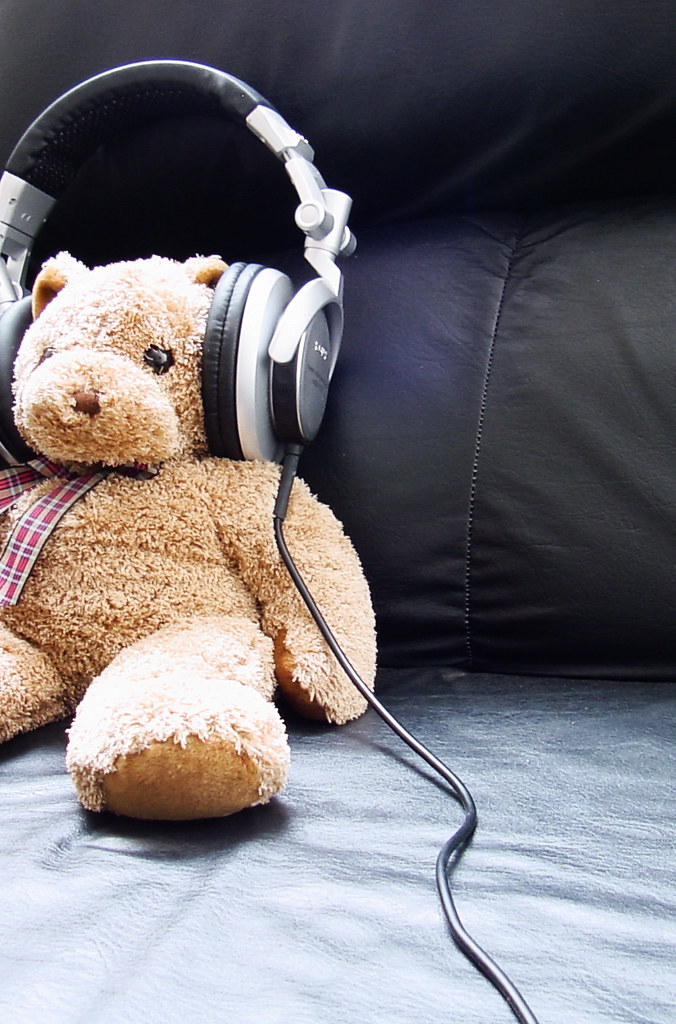
Music as a Reflection of Personal Journeys
For many, music is a soundtrack to life, marking key moments and experiences. From childhood lullabies to teenage anthems, the tracks we choose often reflect our evolving identities. This trend is especially pronounced among younger generations who use music to express their individuality and navigate their emotional landscapes.
Connecting through Cultural Narratives
In an age of globalization, music embraces diverse cultural narratives, allowing listeners to engage with stories and experiences outside their own. Genres like hip-hop, reggaeton, and K-pop have gained international traction, blending elements from various cultures and fostering a sense of community among fans worldwide. This cross-cultural exchange is not only enriching but also highlights the importance of understanding different perspectives.
The Role of Live Music in Building Communities
As we emerge from a pandemic, live music events have made a significant comeback, serving as communal gathering spaces where shared experiences reignite connections. Whether at festivals, concerts, or intimate gigs, these events foster a sense of belonging.
The Experience Economy and Music Festivals
The rise of the experience economy has impacted how we consume music. Festivals have evolved from mere performance venues to immersive experiences that combine music with art, food, and community engagement. Attendees are not just passive listeners; they actively participate in creating memories and connections.
- Community Building: Festivals encourage networking, creating friendships that often extend beyond the event.
- Shared Values: Many festivals promote social and environmental consciousness, allowing attendees to support causes they believe in.
- Live Performances: Artists can showcase their uniqueness, providing a deeper connection between performer and audience.
The Impact of Local Music Scenes
Local music scenes play a vital role in shaping identity and culture. Cities are increasingly known for their unique soundscapes, offering platforms for emerging artists to showcase their work. These grassroots movements celebrate local talent and provide opportunities for communities to rally around shared musical tastes.
Music’s Influence on Mental Health and Well-being
In recent years, there has been a growing acknowledgment of music’s impact on mental health. As we face global challenges and personal struggles, the therapeutic aspects of music become increasingly relevant.
The Therapeutic Benefits of Music
Music therapy has gained recognition as a beneficial tool for mental health treatment. In 2026, more people are turning to music not only for enjoyment but also as a means of self-care and healing.
- Stress Relief: Calming music can reduce stress levels, helping individuals cope with anxiety and daily pressures.
- Emotional Processing: Music provides a safe space for people to express and process complex emotions, especially in therapeutic settings.
- Building Resilience: Engaging with music can foster resilience, encouraging individuals to navigate life’s challenges.
The Future of Music Consumption: Personalization and Connection
The way we consume music continues to evolve, with personalization becoming a pivotal aspect of the listening experience. Streaming services and algorithms curate playlists that reflect our tastes, but the quest for personal connection remains crucial.
Tailored Listening Experiences
In 2026, new platforms are emerging that prioritize user engagement, allowing listeners to delve deeper into the music they love. Features such as interactive playlists, artist-led listening sessions, and community-driven content create a more immersive experience.
Music as a Dialogue
Music is increasingly viewed as a dialogue between artists and audiences. Artists seek feedback and interaction, creating platforms where fans feel heard and valued. This reciprocity enhances the emotional connection between creators and listeners.
Conclusion: The Enduring Significance of Music
In 2026, music remains an integral part of human experience, shaping identities and cultures while offering solace and community. As we navigate the complexities of modern life, the melodies, rhythms, and lyrics that resonate with us help to forge connections, heal wounds, and inspire change. Music is not just a collection of sounds; it is the language of our lives, reflecting both our individual journeys and our collective narratives.