
The Landscape of Music in 2026
As we venture deeper into 2026, the music industry continues to undergo transformation, driven by rapid technological advancements and evolving artist dynamics. This article explores the key trends shaping music today, bridging the gap between creators and their audiences.
1. The Rise of AI in Music Creation
Artificial Intelligence has increasingly become a tool for musicians, enabling new creative possibilities. Artists and producers are using AI to:
- Generate melodies and harmonies: AI algorithms can analyze vast datasets of existing music to create original compositions.
- Enhance sound design: Musicians are leveraging AI-powered software to develop unique sounds that were previously unattainable.
- Automate production tasks: AI can assist in mixing and mastering tracks, saving time and resources for artists.
This technological assistance allows musicians to explore innovative soundscapes, blurring the lines between human creativity and machine-generated output.
2. Streaming Platforms: A Double-Edged Sword
In 2026, streaming platforms remain the dominant source of music consumption. However, they pose both opportunities and challenges:
- Accessibility: Independent artists can easily distribute their music worldwide, reaching global audiences without the barriers set by traditional record labels.
- Revenue implications: While streaming has democratized music access, artists often struggle to earn fair compensation, leading to ongoing debates about the sustainability of this model.
- Personalization: Algorithms curate playlists to suit individual tastes, enhancing the listening experience but potentially narrowing exposure to diverse genres.
The balance between artist support and consumer convenience continues to evolve, prompting discussions about fair pay and music value.
3. The Resurgence of Live Performances
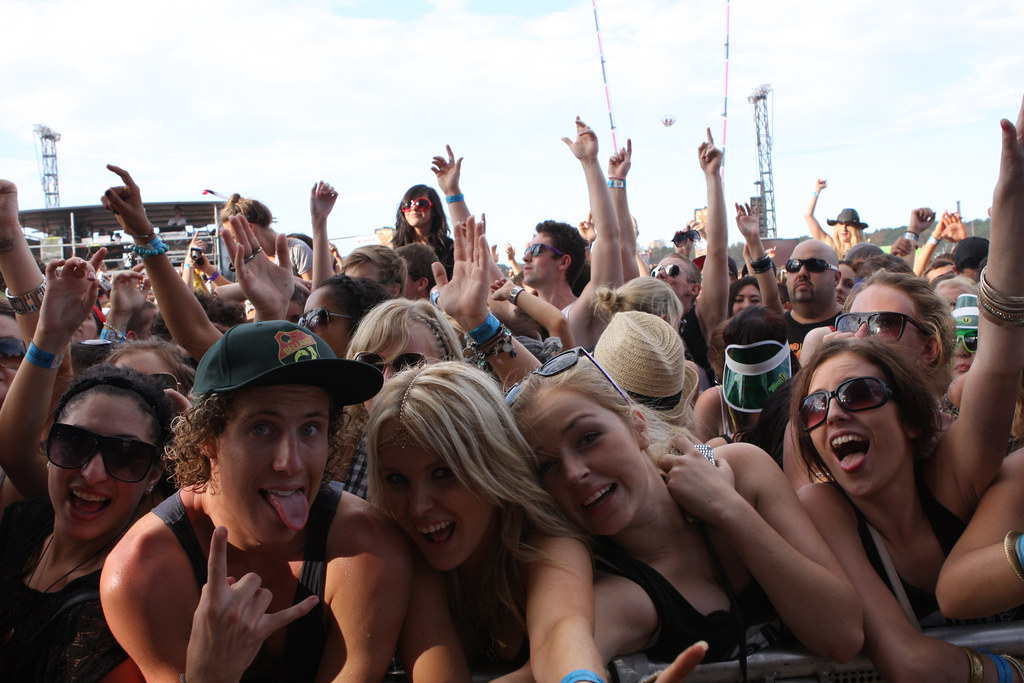
Post-pandemic, live music has regained its position as a vital aspect of the music ecosystem. Key trends include:
- Hybrid concerts: Many artists are offering both in-person and virtual tickets, accommodating diverse audience preferences.
- Intimate venues: Smaller, local venues are becoming popular as fans seek authentic experiences with their favorite artists.
- Enhanced production: Technological advancements in sound and lighting create immersive experiences, attracting audiences to concerts more than ever.
As fans crave connection, the live music scene will likely continue to flourish, reinforcing the communal aspect of music.
4. The Impact of Social Media on Music Promotion
Social media platforms are pivotal for artists in 2026, serving as a primary channel for promotion. Key strategies include:
- Content creation: Artists are engaging audiences through behind-the-scenes videos, live Q&A sessions, and interactive challenges on platforms like TikTok and Instagram.
- Building a community: Through direct interactions, artists foster loyal fanbases, encouraging active participation in their musical journey.
- Collaborative promotions: Musicians are partnering with influencers and other creators to expand their reach and share audiences.
Social media has become an essential tool for artists to amplify their presence and connect with fans worldwide.
5. The Fusion of Genres and Cultural Influences
As globalization continues to shape music, genre boundaries are increasingly blurred. In 2026, we see:
- Cultural collaboration: Artists from different backgrounds are collaborating, resulting in unique sounds that resonate globally.
- Genre blending: The lines between pop, hip-hop, electronic, and world music are fading, leading to innovative new genres.
- Social messages: Music is being used as a platform to address social issues, reflecting the values of a diverse audience.
This cultural fusion enriches the music landscape, creating an environment where diversity thrives.
Conclusion
The music industry in 2026 is a dynamic realm influenced by technology, social media, and cultural exchange. As artists harness these tools, they redefine creativity and connection, navigating both opportunities and challenges. Fans play an essential role in this evolving narrative, eager to engage with the music of today and tomorrow.