
The Vibrant Tapestry of Today’s Music Scene
As we navigate through 2026, it’s evident that the world of music is an ever-evolving landscape, shaped not just by innovation and technology, but by the rich cultural contexts that inform the sounds we hear today. The music industry continues to thrive on diversity, incorporating influences from every corner of the globe. In this article, we will delve into how these cultural influences are shaping the music of our time.
Global Influences in Modern Music
Music has always been a universal language, and in 2026, this is truer than ever. Genres are blending, and artists are drawing inspiration from various cultural motifs. Here are some key influences:
- African Rhythms: African music, particularly Afrobeat and traditional sounds, are seeing a resurgence, influencing mainstream pop and hip-hop artists.
- Latin Beats: The popularity of reggaeton and Latin pop continues to grow, with artists like Bad Bunny and J Balvin expanding their reach worldwide.
- Asian Influences: K-pop and J-pop have taken the world by storm, presenting a fusion of vibrant visuals and catchy tunes that appeal to diverse audiences.
The Role of Technology in Cultural Expression
In 2026, technology is not just a means of production; it acts as a bridge connecting diverse cultures. The accessibility of music creation tools has democratized the industry, allowing artists from different backgrounds to share their unique sounds.
Social Media as a Cultural Hub
Platforms like TikTok and Instagram have become cultural melting pots, where music trends are born and flourish. Artists are leveraging these platforms to share snippets of their work, which can go viral in a matter of hours, often drawing inspiration from different cultures to create something entirely new.
Music Festivals as Cultural Celebrations
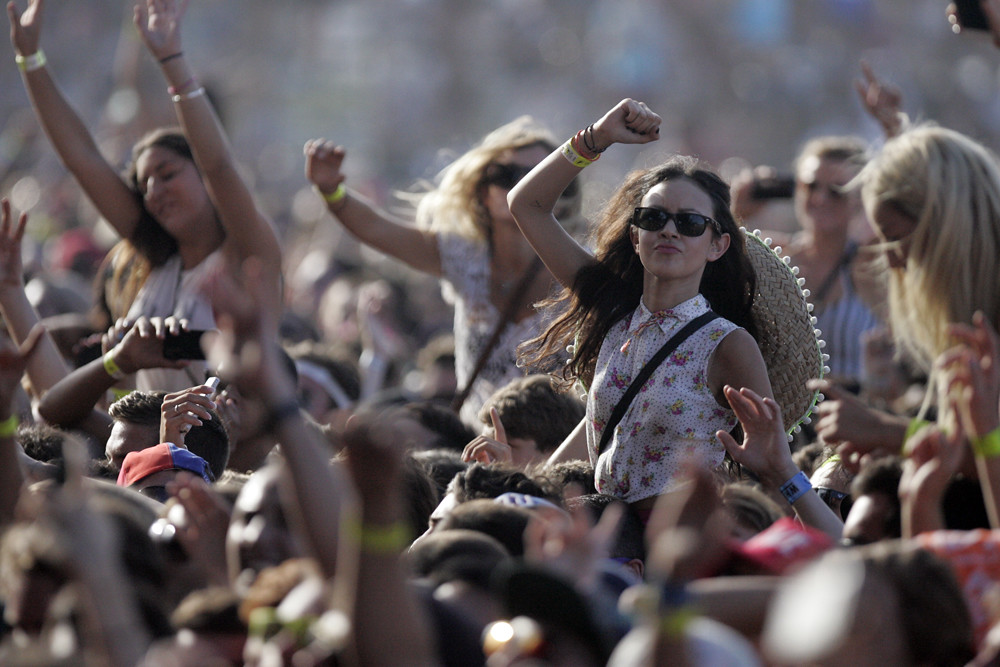
2026 has seen a rise in music festivals that celebrate cultural diversity. These events not only showcase popular genres but also introduce attendees to lesser-known styles of music, fostering appreciation for global sounds.
Notable Festivals to Watch
- Coachella: Continuing to be a platform for cultural exchange, with performances from artists across the globe.
- Glastonbury: Not just a music event, but a celebration of art, culture, and community, featuring international acts that highlight cultural heritage.
- Burning Man: Known for its radical self-expression, it brings together artists from all walks of life, blending music with visual art and performance.
Collaborations Across Borders
2026 has embraced cross-genre and cross-cultural collaborations. Artists are no longer confined to their geographical or stylistic borders. Collaborative projects are enriching the music scene, leading to groundbreaking sounds that resonate with a global audience.
Examples of Cross-Cultural Collaborations
- Diplo and Major Lazer: Known for mixing electronic music with Caribbean influences, their collaborations are a perfect example of blending different cultural sounds.
- Burna Boy and Ed Sheeran: This collaboration highlights how Afrobeat has influenced mainstream music while preserving its unique rhythm and flavor.
- Rosalía and Travis Scott: This partnership showcases a fusion of Flamenco with contemporary hip-hop, bringing diverse elements together.
The Future of Music as a Cultural Artifact
As music continues to evolve, it will remain a vital cultural artifact. The sounds we embrace today are reflections of our societies, struggles, and triumphs. In 2026, music serves not only as entertainment but also as a voice for change, a medium for cultural storytelling.
Preserving Cultural Heritage Through Music
Artists are increasingly conscious of their cultural heritage and are integrating traditional sounds and instruments into their music. This practice not only preserves cultural identity but also educates audiences about the rich histories behind various music forms.
Conclusion: A Bright Musical Future
As we look toward the future, the intersection of technology and cultural diversity promises a vibrant musical landscape. The music of 2026 is a testament to our shared humanity, weaving together the rhythms and stories of countless cultures. This ever-evolving tapestry invites us to listen, learn, and celebrate the beautiful diversity that music offers.