
Introduction: The Spirit of Collaboration in Music
In the ever-evolving landscape of music, 2026 has brought forth a profound shift towards collaboration. Artists across genres are breaking boundaries and redefining the creative process through partnerships that span local and global contexts.
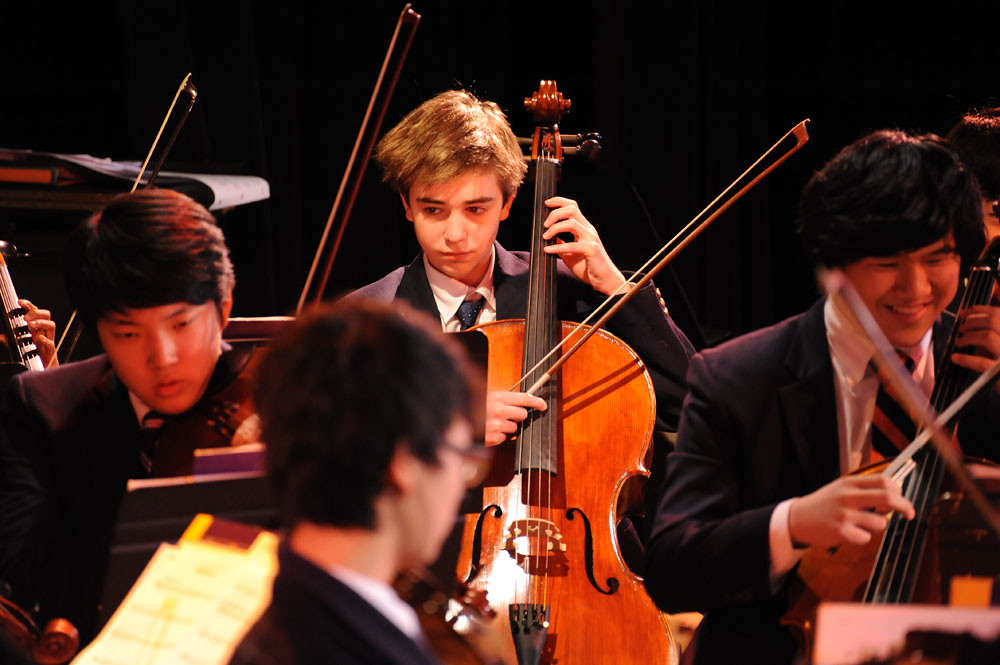
The Evolution of Collaborative Music-Making
Collaboration in music isn’t a new concept; however, its significance has escalated with advances in technology and changing consumer preferences. Here are a few key trends shaping this collaborative landscape:
- Remote Collaboration Tools: Thanks to advancements in technology, musicians can now create music together from different corners of the globe. Platforms like Soundtrap and Splice enable real-time collaboration, allowing artists to work on projects without geographical constraints.
- Genre-Blending: Artists are more eager than ever to cross genres. The fusion of different musical styles creates innovative sounds that resonate with diverse audiences. Collaborations between hip-hop and country, or pop and electronic music, have become increasingly popular.
- Community-Driven Projects: Many new artists are leveraging the support of their communities to create music collaboratively. Crowdsourced albums and songs are not just a trend but a movement that empowers fans and fosters deeper connections.
The Impact of Collaboration on Artistic Expression
Collaborative efforts in music have a profound effect on creativity and artistic expression. Here are a few notable impacts:
- Broader Perspectives: Working with others allows artists to gain new insights and inspiration. Collaborators often come from diverse backgrounds, which can open new avenues of creativity and lead to innovative soundscapes.
- Skill Enhancement: Collaborating with other musicians often results in skill sharing. Artists can learn from each other, refine their techniques, and ultimately improve their craft.
- Expanded Audiences: Collaborations introduce artists to each other’s fanbases, creating opportunities to reach wider audiences and gain new followers.
Case Studies: Successful Collaborations in 2026
Various partnerships have emerged this year, showcasing the potential of collaboration in music.
1. The Genre Fusion of Pop and Classical
A notable example is the partnership between pop superstar Lily Rain and acclaimed classical violinist Anton Solis. Their joint album, Strings of the Future, combines pop melodies with orchestral arrangements, earning praise for its innovative sound and emotional depth.
2. Community Projects: The People’s Album
The initiative known as The People’s Album has gained traction, inviting fans to submit lyrics, melodies, and ideas. The final product is a compilation of contributions from fans and artists alike, resulting in a unique mosaic of sounds and styles. This project has successfully highlighted the power of community in the creative process.
3. Virtual Collaborations: The Global Jam
The Global Jam event, held earlier this year, brought together artists from different countries for a virtual performance. Utilizing streaming technology, musicians collaborated live, creating an exhilarating experience for viewers and participants, demonstrating the potential of digital platforms in collaborative music-making.
The Role of Technology in Fostering Collaboration
Technology is both a facilitator and a catalyst for collaboration in the music industry. Several tools and innovations continue to reshape how artists work together:
- AI and Music Composition: AI programs are now being used to assist in the songwriting process, allowing artists to explore new musical ideas and compositions collaboratively.
- Social Media Platforms: Platforms such as TikTok and Instagram are not only used for promotion but also for finding collaborators. Many artists have met through these platforms and subsequently produced music together.
- Cloud-Based Storage: Musicians can easily share and access files in real-time, minimizing the hassles associated with collaboration. Cloud storage solutions facilitate seamless exchanges of ideas, drafts, and final products.
The Future of Collaborative Music-Making
Looking ahead, the future of music collaboration seems bright. As technology continues to evolve and the music industry adapts, we can anticipate several developments:
- Increased Influence of Emerging Platforms: New platforms focused on collaboration will continue to emerge, providing artists more opportunities to connect and create.
- Enhanced Virtual Reality Experiences: As VR technology advances, we can expect immersive collaborative experiences that allow artists to create in virtual spaces.
- Growth of the Global Music Community: With the world becoming increasingly interconnected, collaborations across borders will become the norm rather than the exception.
Conclusion: A New Era of Musical Collaboration
In 2026, the collaborative spirit of music is stronger than ever. As artists embrace new technologies and ideas, the collaborative process continues to evolve, leading to exciting new sounds and innovative artistic expressions. Whether through remote collaborations, genre-blending partnerships, or community-driven projects, the future of music promises to be rich with creativity and connection.