
The Transformative Power of Music: How It Shapes Our Identity in 2026
As we delve deeper into the digital age, the role of music in our lives has evolved dramatically. In 2026, it is more than just a form of entertainment; music is a fundamental aspect of our identities, shaping our beliefs, experiences, and social connections. This blog explores how music influences our sense of self and community in a rapidly changing world.
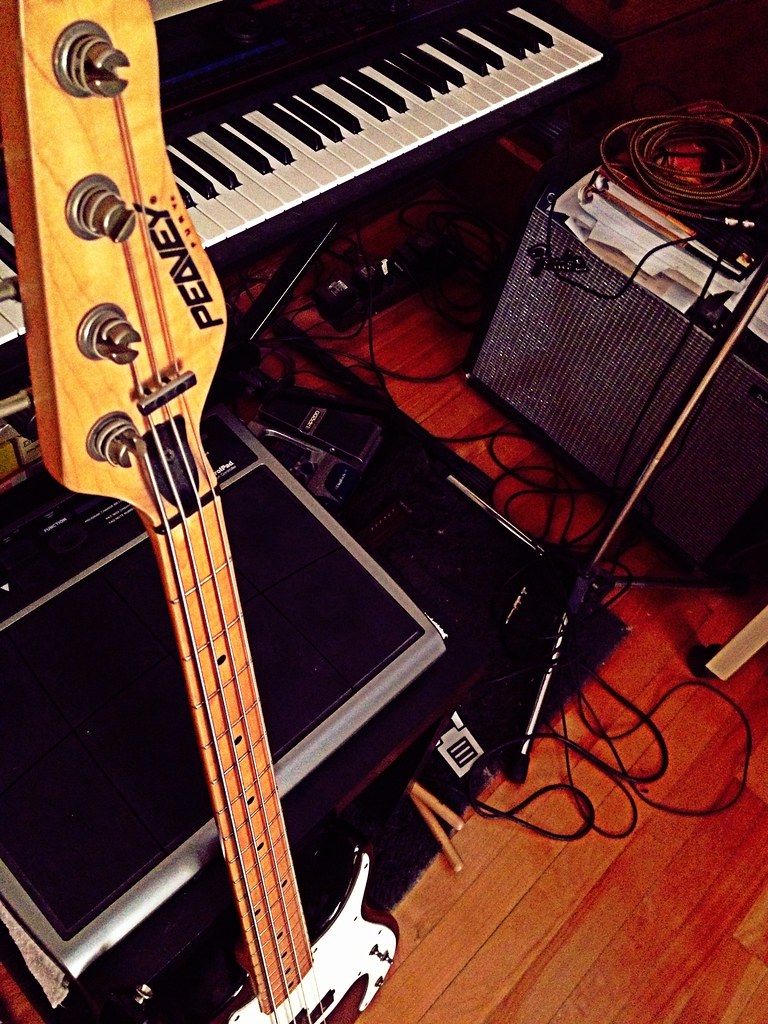
Music as a Reflection of Identity
In every culture, music has been a medium for expressing emotions, beliefs, and narratives. This connection remains strong in 2026. From the melodies that resonate with personal experiences to the songs that encapsulate collective memories, music acts as a mirror, reflecting who we are and what we value.
- Personal Identity: The playlists we curate often tell our stories. Genres, lyrics, and rhythms can evoke memories and define phases in our lives, showcasing a spectrum of emotions from joy to sorrow.
- Cultural Identity: Globalization has led to a beautiful fusion of musical genres. This blend allows individuals to embrace their cultural heritage while also adopting influences from other traditions, creating a richer sense of identity.
The Soundtrack of Our Lives
Music has the unique ability to accompany us through different life stages, acting as a soundtrack to our experiences. In 2026, streaming platforms have made it easier to access an array of music that resonates with various moments in our lives.
- Milestones: From graduation ceremonies to weddings, music is an integral part of celebrations. The right song can encapsulate emotions, making these moments even more memorable.
- Healing: Many individuals turn to music to find solace during difficult times. Its therapeutic effects are backed by research, showing that melodies can help reduce anxiety and promote emotional healing.
Building Community Through Music
In 2026, music remains a powerful unifier. It has the potential to bring people together, fostering community bonds and shared experiences. Here’s how:
- Live Performances: Despite the rise of digital consumption, live music events, concerts, and festivals continue to thrive, allowing fans to connect over shared musical interests.
- Online Music Communities: Social media platforms have given rise to online communities where fans can engage with their favorite artists and discuss music. These virtual spaces have become significant in forming friendships and connections.
The Evolution of Music Consumption
The way we consume music has drastically changed over the years. In 2026, we are witnessing several key trends that impact how we experience music:
- AI-Generated Music: Artificial intelligence is becoming increasingly capable of creating music that resonates with listeners. This innovation not only challenges traditional notions of artistry but also personalizes music experiences, catering to individual tastes.
- Immersive Experiences: Virtual and augmented reality are transforming music consumption. Fans can now attend virtual concerts that offer a fully immersive experience, creating a deeper connection to the music and performers.
Music and Personal Expression
Music also provides a platform for personal expression and activism. In 2026, artists are using their voices to address social issues, transforming music into a powerful tool for change.
- Social Commentary: Many contemporary artists are blending music with activism, using their platforms to raise awareness on various social issues, such as climate change, inequality, and mental health.
- Empowerment: Music serves as an outlet for individuals to express their thoughts and feelings, empowering them to share their stories and experiences, fostering understanding and acceptance.
The Future of Music and Identity
As we look to the future, the relationship between music and identity will continue to evolve. Advancements in technology will undoubtedly play a role in shaping how we experience and interact with music.
- Integration with Daily Life: With advancements in wearable technology, music may soon become an even more integrated part of our lives, assisting in wellness and daily routines.
- Personalization: Expect even more tailored music experiences, where algorithms curate music not just based on listening habits but also on emotional states, enhancing personal connections.
Conclusion
In 2026, music is more than a backdrop to our lives; it’s a fundamental aspect of our identity and community. As we navigate through this diverse soundscape, the songs we listen to and the artists we support will continue to shape who we are, fostering connections that transcend boundaries. Embrace the transformative power of music, and allow it to define your journey.